Why om asks instead of guessing
A model can read what a system does. Only the person who decided knows why, and a confident guess is worse than an honest "unknown".
Any capable AI assistant can read a condition and describe it. “Orders above ₹50,000 go to a review queue” is true, and useless when you need to know whether you can remove it.
The reason is not in the system
It is in the head of the person who decided, or in a meeting nobody wrote down. A model reading the code can only guess, and language models are very good at guessing in a confident, plausible voice.
A plausible reason that nobody actually gave is worse than no reason. It looks like knowledge, so people act on it.
So om asks
om is AppThentic’s own interviewing model. It reads the systems to find the rules that matter and what is already written about them, then asks the person who decided a few short, specific questions:
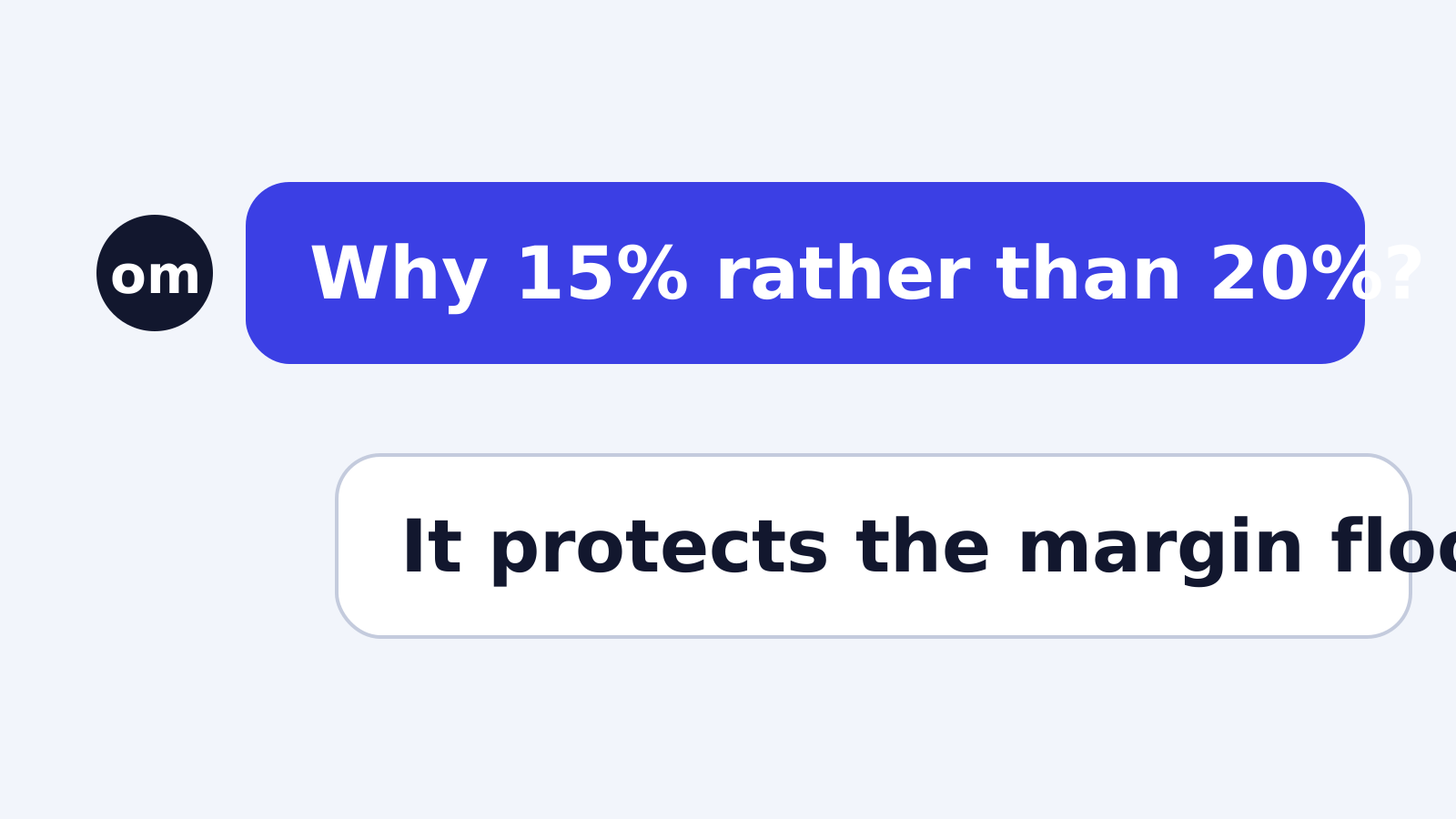
Why 15% rather than 20%?
Where does this rule stop applying?
Their answer is kept with their name, the date and its status. Until they answer, the rule stays Unknown.
Facts stay out of the model
om does not memorise your answers. They live in Organization Memory, in your infrastructure, where each one can be cited, corrected or deleted on its own. When om needs a fact, it looks it up and cites it. See om.
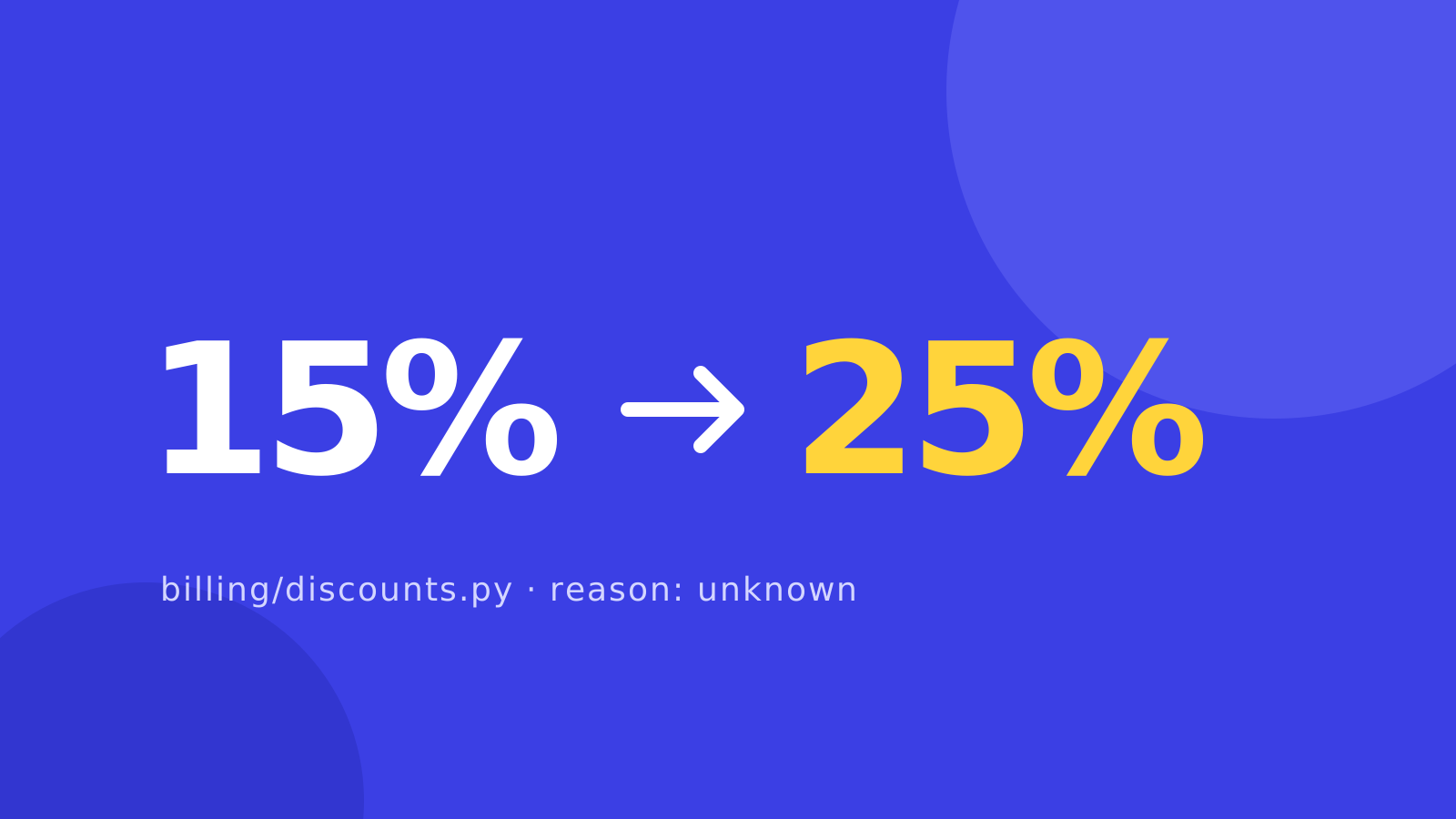 The 15% cap nobody could explain
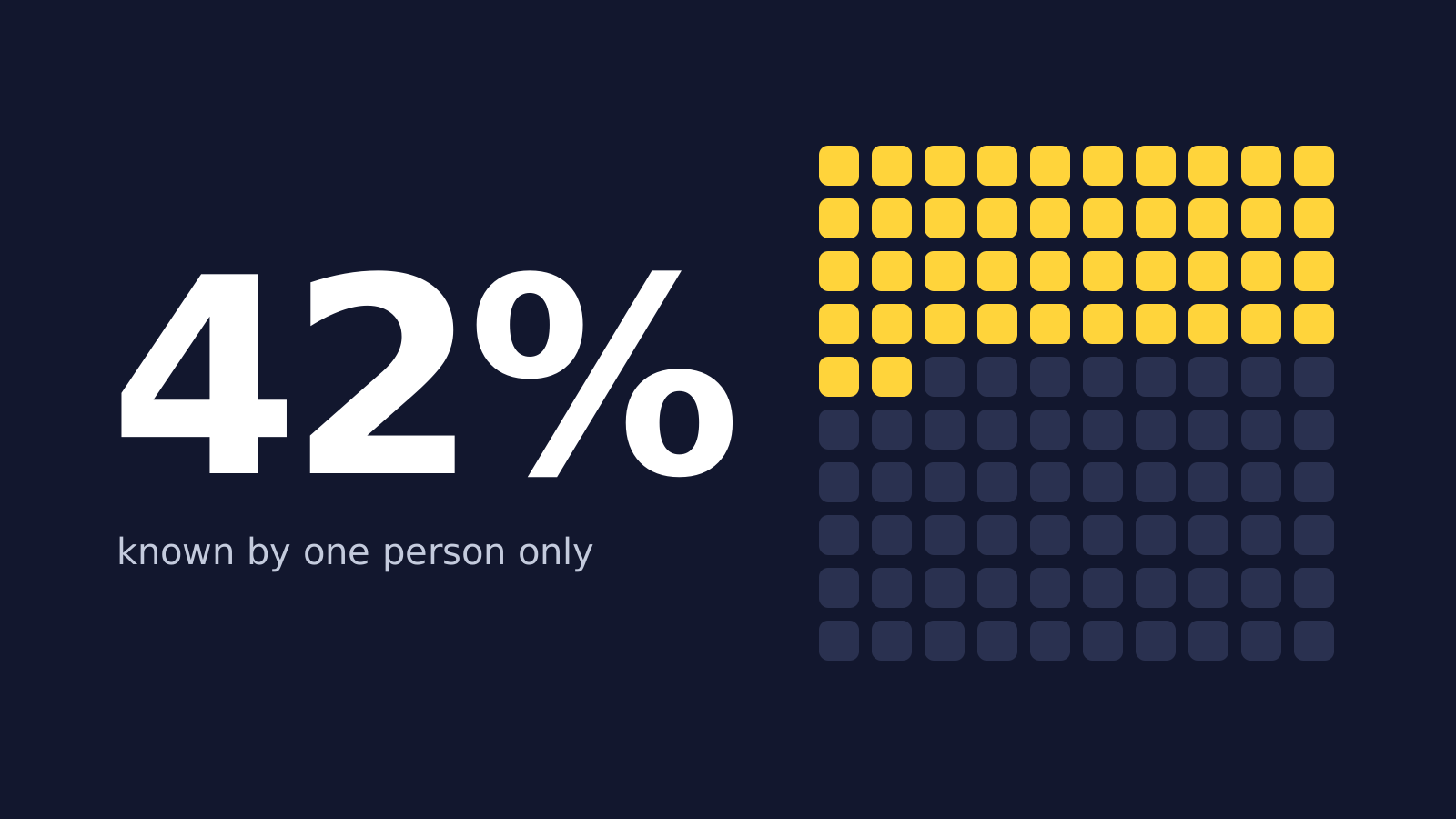 42% of what your company knows lives in one person's head