The 15% cap nobody could explain
One small change to a discount limit, five weeks of damage, and the one question that would have stopped it.
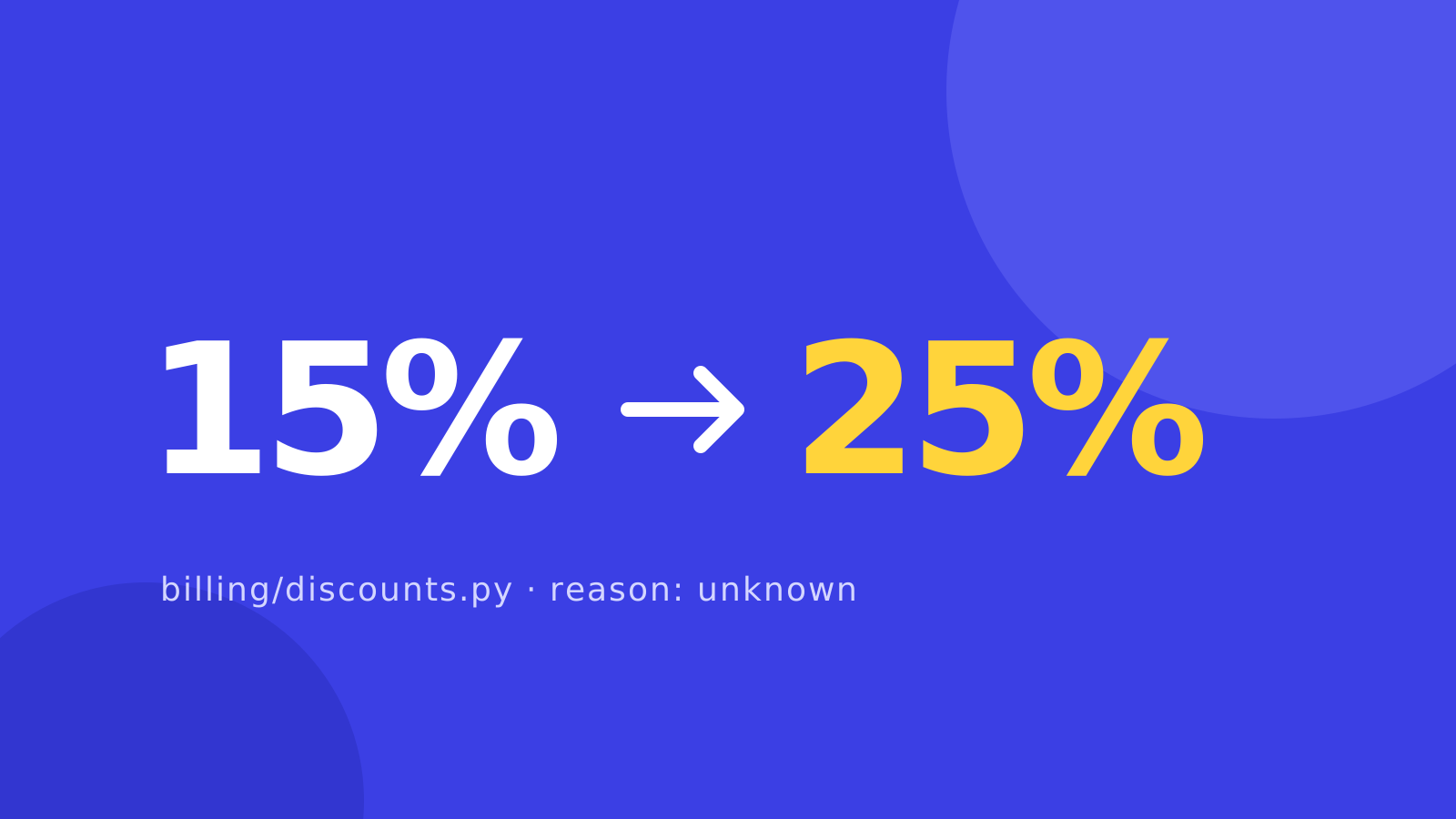
Sales asked for a 25% discount to save two big accounts. An engineer found the cap in billing, raised it from 15% to 25%, and shipped it the same day. It was a one-line change.
Three weeks later Finance saw margin below the board’s floor. Two weeks after that, someone finally found out why the cap was 15%. It was protecting that floor. The person who set it had left in March.
Nobody did anything wrong
Sales asked a fair question. The engineer read the system correctly. The code said 15%. It did not say why.
This is the shape of most expensive business-logic mistakes. Not a bug, not carelessness: a correct change to a rule whose reason had quietly disappeared.
The reason was one question away
The person who knew was reachable for months before they left. Nobody asked, because nobody knew there was anything to ask.
Why 15% rather than 20%?
That is the question om asks, to the person who decided, before anyone needs the answer.
What changes when the reason is kept
With the reason kept next to the rule, the engineer sees it before shipping:
| Rule | Discount cap 15% |
| Reason | Protects the board’s margin floor on enterprise deals |
| Owner | Head of Finance |
| Status | Approved |
The change might still happen. It happens with Finance in the room. In this case Finance would have approved an exception for two accounts instead of raising the cap for everyone.
Where else this is hiding
Every company has a dozen numbers like this: refund windows, credit limits, manual-review thresholds, cool-off periods, retry caps on payouts. Each was set by someone, for a reason, at a moment. Ask your team which of them they could explain today, and who they would ask if they couldn’t.
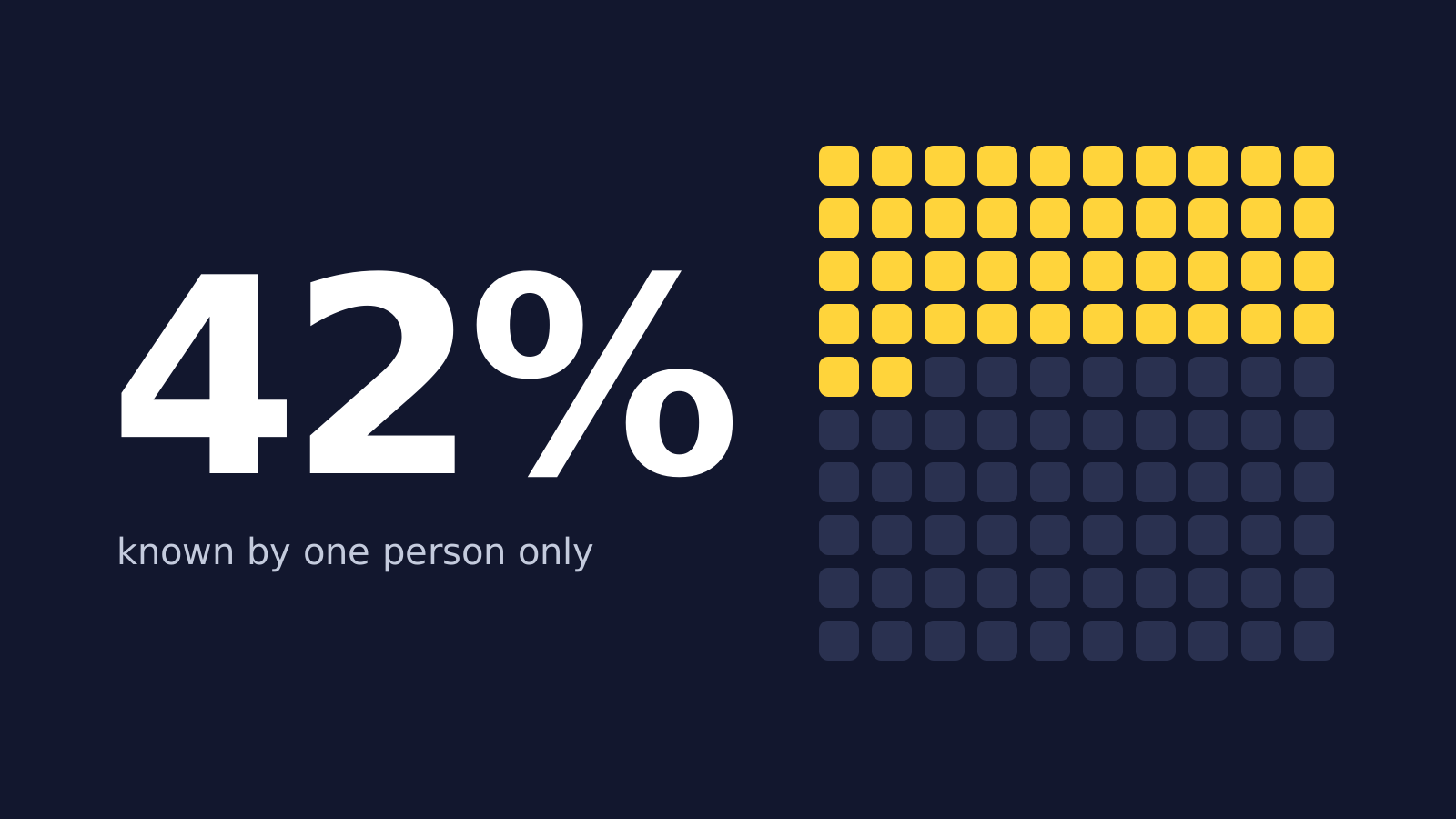 42% of what your company knows lives in one person's head
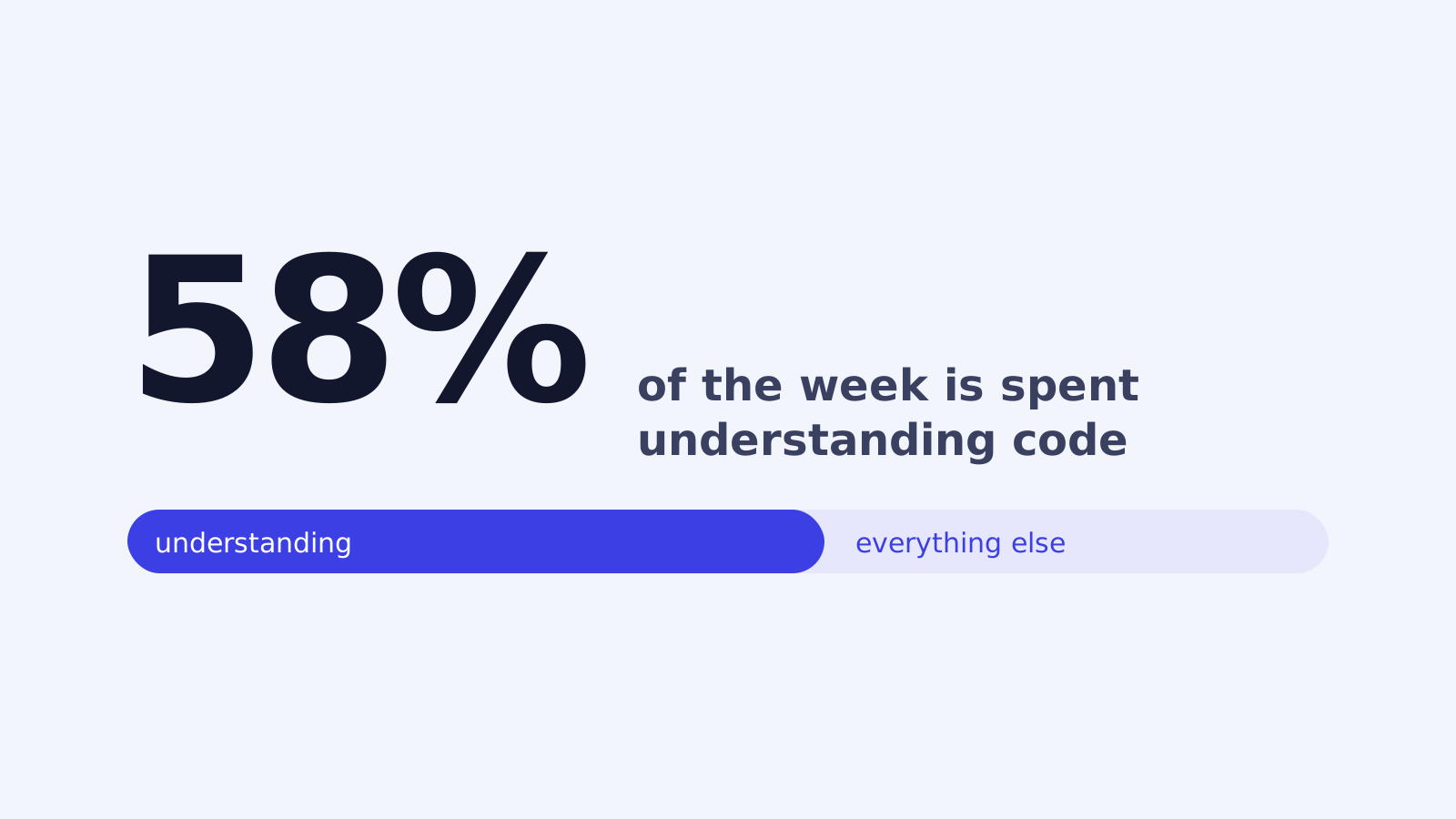 Your engineers spend most of their time understanding, not building